
Employee-generated content is original public content based on what employees know, see, build, test, sell, support, or learn. In B2B, it often shows up as LinkedIn posts, technical walkthroughs, customer lessons, teardown notes, product demos, founder essays, internal frameworks, or public documentation.
It differs from employee advocacy because the starting point is different. Employee advocacy starts with a company-approved message that employees help distribute. Employee-generated content starts with employee expertise, even when an editor helps shape the final piece.
The useful version is not a rewritten company announcement. It teaches something specific from the employee's vantage point, so the reader leaves with a clearer idea, a sharper question, a usable example, or a next step they can apply.
The reason employee-generated content matters is simple: buyers and practitioners are trying to judge how a company thinks before they talk to sales. LinkedIn and Edelman found that 55% of hidden buyers use thought leadership during vendor evaluation. Sprout Social's 2026 Social Media Content Strategy Report points in the same human direction for social content, saying consumers want brands to make human-generated content their top priority.
That does not mean every employee should post more. It means companies should learn how to turn real work into useful public knowledge. The best examples feel closer to field notes than marketing copy.
Why Human Expertise Matters In B2B Content
B2B buying groups include people who influence decisions without ever becoming the main sales contact. Edelman and LinkedIn call these people hidden buyers. Their research found that 63% of hidden buyers spend more than an hour per week consuming thought leadership, and the full report says 71% of hidden decision-makers see strong thought leadership as more effective than conventional marketing or sales materials at showing potential value.
That research is useful here because strong employee-generated content behaves like practical thought leadership. It gives buyers a way to evaluate how a team thinks. A product marketer can unpack a positioning decision. An engineer can explain a technical tradeoff. A customer success lead can show the pattern behind repeated customer questions. A founder can explain why the company made a specific bet.
If a piece mostly repeats a company announcement, it is distribution. If it helps the reader understand a problem, workflow, example, or tradeoff through an employee's expertise, it is employee-generated content.
What Counts As Employee-Generated Content?
Employee-generated content can be short or long, polished or rough, written or recorded. The format matters less than the source of the insight.
| Content type | What makes it useful | Example angle |
|---|---|---|
| Field note | Summarizes a pattern the employee keeps seeing. | "Three onboarding mistakes we see in week one." |
| Build note | Shows a decision, tradeoff, bug, test, or workflow from real work. | "Why we changed this integration flow." |
| Customer learning | Turns recurring customer questions into reusable guidance. | "The question every admin asks before rollout." |
| Teardown | Explains why something works or fails with enough detail to learn from it. | "What this launch page gets right about trust." |
| Tutorial | Helps the reader complete a task or understand a workflow. | "How to connect the data source without breaking attribution." |
Employee advocacy is the nearest related category, but it has a different job. LinkedIn defines employee advocacy as people promoting the company they work for, including sharing company blog posts or brand messages. Employee-generated content can support advocacy, but it should not be reduced to sharing approved assets. For the deeper comparison, read employee-generated content vs employee advocacy.
Examples From Clay, Lovable, And GitLab
The strongest examples do not always use the same category name. The pattern to look for is simpler: real work gets turned into public learning.
Clay: Make Practitioner Output Shareable
Clay shows what happens when useful work is designed to travel. In a post on how the company assessed growth marketing bets, Clay says user-generated content is one of its major growth drivers. The content loop works because people create useful outputs, share those outputs, gain recognition for the work, and bring more practitioners into the product's orbit.
The employee-generated content lesson is to start with work worth showing. If an employee builds a workflow, answers a hard customer question, spots a market pattern, or creates a useful template, the content should preserve the lesson inside that work.
Lovable: Let Builds Teach The Market
Lovable's growth story says the company went from an open-source project to $10M ARR in two months, with community and content playing a key role across X, TikTok, YouTube, and partnerships. Its public video library is full of tutorials, product demonstrations, user stories, and build walkthroughs.
The pattern is straightforward: show what people can build, then let the example teach. A designer, engineer, founder, or support lead can use the same logic by turning real product use into content that answers "how did this work?" with enough detail for others to learn from it.
GitLab: Turn Internal Knowledge Into Public Documentation
GitLab shows that employee-generated content does not have to be personal-brand content. Its public handbook is the central repository for how the company runs, with more than 2,000 pages of text and an open contribution model.
The lesson is that documentation, guides, operating principles, and decision records can turn internal expertise into something useful for the outside world. That kind of content can be just as valuable as a LinkedIn post because it gives buyers, candidates, partners, and practitioners a clearer view of how the team works.
What Good Employee-Generated Content Has In Common
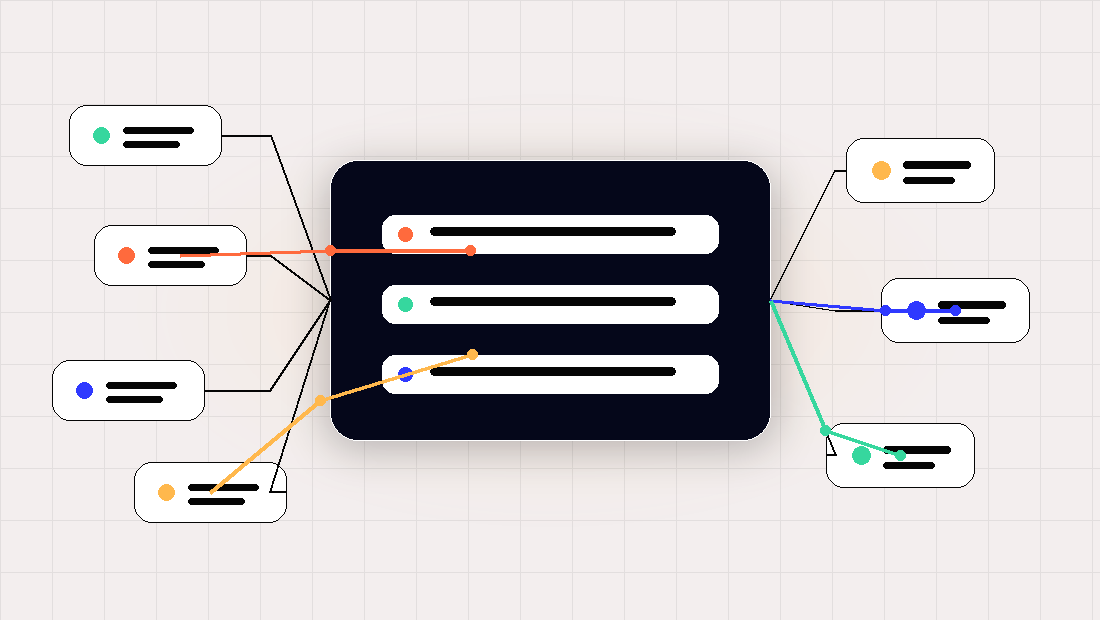
Good employee-generated content is specific, grounded in work, and useful on its own. It gives the reader a usable piece of thinking, not just a more personal wrapper around a company message.
- It starts with an observed problem, not a product feature.
- It shows a concrete example, workflow, teardown, or decision.
- It preserves the employee's point of view instead of sanding it into brand voice.
- It cites data, customer patterns, or source material when making factual claims.
- It makes the reader smarter by the end of the piece.
Google's guidance for helpful, reliable, people-first content is a useful quality bar here. It asks whether content shows first-hand expertise, adds original value beyond sources, and leaves the reader feeling they learned enough to achieve their goal. Employee-generated content should clear that bar before it goes live.
How To Turn Employee Expertise Into Useful Content
The simplest workflow is to start with raw expertise, not a blank page. Pull from repeated customer questions, product decisions, implementation lessons, support patterns, sales objections, technical tradeoffs, or internal docs that already help the team work.
Shopify Engineering describes context sharing as a habit that helps developers understand the why, what, and how behind technical choices. A separate Shopify Engineering article on resilient payment systems shows the same idea in public: a staff developer turned lessons from years of payments infrastructure work into practical tips for other builders.
- Capture the employee's raw explanation before editing it.
- Choose one reader question the piece will answer.
- Keep the real example, decision, tradeoff, or mistake in the final draft.
- Source factual claims instead of asking the employee to carry proof alone.
- Edit for clarity without flattening the employee's voice into brand voice.
How To Measure Employee-Generated Content
Impressions can show whether distribution is working, but they do not prove the content is useful. Better measurement starts with the job of the content.
- For education: saves, shares, return visits, and source-linked traffic.
- For credibility: comments from relevant practitioners, replies from target accounts, and mentions in buyer research notes.
- For research: recurring questions, objections, terms, and examples that appear in comments or replies.
- For search and AEO: indexed pages, featured snippets, answer-engine citations, branded mentions, and source quality.
The goal is not to make every employee a creator. Some employees will publish original posts. Others will contribute notes, examples, customer questions, technical explanations, or review context. LinkedIn's employee advocacy guidance makes a similar point about voluntary participation: programs work better when people have a real reason to participate.
Starter Checklist
Use this checklist before turning an employee idea into a post, article, video, or guide.
Before publishing employee-generated content, check:
1. What question does this answer?
2. Who is the reader?
3. What real employee experience supports it?
4. What example, screenshot, workflow, or source makes it concrete?
5. What claim needs a citation?
6. What should the reader be able to do after reading?
7. Does it stay focused on the reader's question?
8. What audience signal will we learn from next?
FAQ
What is employee-generated content?
Employee-generated content is original public content based on an employee's knowledge, work, observations, or experience. In B2B, that can include LinkedIn posts, tutorials, field notes, product lessons, customer learnings, internal frameworks, and public documentation.
How is employee-generated content different from employee advocacy?
Employee advocacy usually starts with a company-approved asset or message that employees help distribute. Employee-generated content starts with the employee's own expertise or work product, even when an editor helps structure the final piece.
Who should create employee-generated content?
Start with people who have useful expertise and enough context to teach something specific: founders, sales leaders, customer success leads, product marketers, engineers, operators, and support teams. The best contributors are not always the loudest employees; they are often the people closest to recurring buyer questions.
How do you turn employee expertise into a LinkedIn post or article?
Start with one real question, decision, lesson, or customer pattern. Interview the employee for the raw explanation, keep the concrete example, source any factual claims, and edit for clarity without replacing the employee's point of view with brand language.
How should teams review employee-generated content?
Review for accuracy, confidentiality, unsupported claims, and clarity. Do not rewrite every sentence into brand voice. A good review makes the content safer and clearer while preserving the employee's reasoning and language.
How do you measure employee-generated content?
Use impressions as a distribution signal, not the main proof of value. Track saves, qualified comments, replies from target accounts, recurring buyer questions, profile visits, source-linked traffic, indexed pages, and AI or search visibility when the content becomes a website asset.
Should every employee post on LinkedIn?
No. Some employees should publish original content. Others can contribute notes, examples, technical explanations, customer questions, or review context. A strong system makes room for different levels of participation.
The sources below are grouped into research context, category definitions, and public examples. The research sources support why human expertise matters; the company sources show how real work can become public learning.
Sources
- Sprout Social 2026 Social Media Content Strategy Report, for the human-generated content priority.
- LinkedIn and Edelman research on thought leadership and hidden B2B buyers.
- 2025 Edelman and LinkedIn B2B Thought Leadership Impact Report PDF.
- Google Search Central guidance on helpful, people-first content.
- LinkedIn guide to employee advocacy, for the advocacy distinction.
- Clay on growth marketing bets and shareable content loops.
- Lovable on growing from open source to $10M ARR in two months.
- Lovable video library, for tutorials and public build examples.
- The GitLab Handbook, for public operating knowledge.
- Shopify Engineering on sharing developer context.
- Shopify Engineering field note on resilient payment systems.
Audit one employee idea before you publish it.
Pick one draft, customer question, internal note, or product lesson. Use the checklist above to make sure it teaches something specific before it goes live.